


Heart Disease Detection: Essential Tests You Must Know
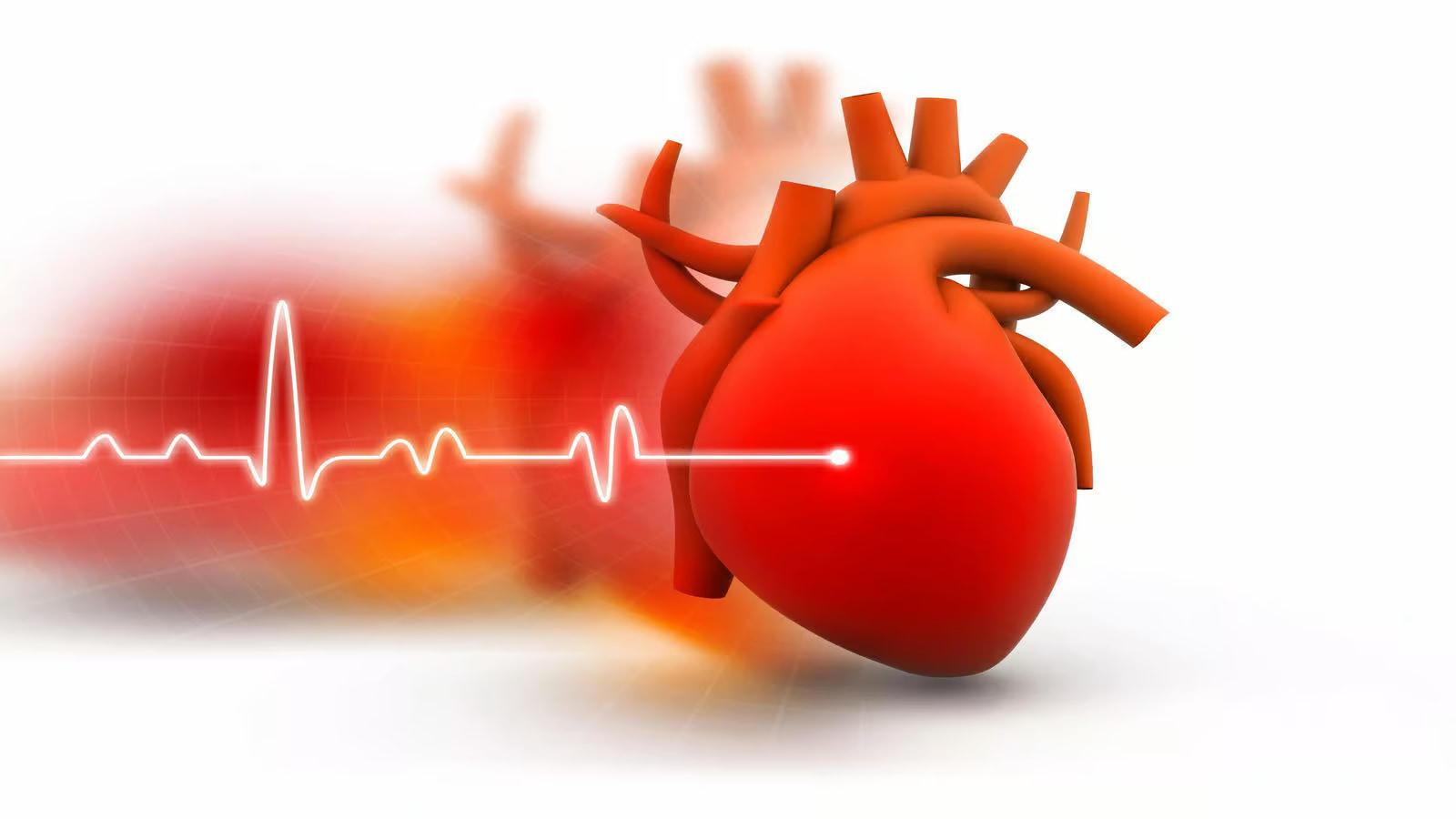
Heart disease remains a leading cause of death worldwide, making early detection critical. Timely tests help identify underlying cardiovascular issues before they become severe, allowing for proactive treatment. Knowing the right diagnostic tools can guide healthier choices and improve outcomes. Here’s a comprehensive guide to the most important tests for heart disease detection.
Blood Tests for Heart Health
Blood tests play a vital role in identifying risk factors that contribute to heart disease. They reveal cholesterol levels, blood sugar, and markers of inflammation. Elevated cholesterol or triglycerides can indicate plaque buildup in arteries. High blood sugar may signal diabetes, which increases cardiovascular risk. Regular blood tests help monitor these indicators and guide preventive strategies.
Lipid Profile
A lipid profile measures total cholesterol, LDL (bad cholesterol), HDL (good cholesterol), and triglycerides. Abnormal results can lead to plaque formation, narrowing arteries, and increasing the risk of heart attack. Physicians often recommend checking lipid levels every four to six years, or more frequently if you have risk factors like obesity, hypertension, or a family history of heart disease.
Cardiac Enzyme Tests
Cardiac enzymes like troponin are proteins released into the blood during heart muscle damage. Testing these enzymes is crucial for detecting heart attacks or ongoing cardiac injury. Elevated troponin levels indicate acute myocardial infarction and require immediate medical attention. These tests are typically done in emergency settings when patients present with chest pain or discomfort.
Electrocardiogram (ECG)
An electrocardiogram records the electrical activity of the heart and is a quick, non-invasive test to detect irregular heart rhythms. ECG can identify arrhythmias, heart attacks, or structural abnormalities. It's often performed during routine checkups or when symptoms like palpitations, dizziness, or chest discomfort arise. Early detection allows timely intervention, potentially preventing severe complications.
Holter Monitoring
Holter monitoring involves wearing a portable ECG device for 24–48 hours to continuously record heart activity. This test is especially useful for detecting intermittent arrhythmias that may not appear during a standard ECG. Holter monitoring helps physicians understand abnormal heart rhythms, assess their frequency, and determine appropriate treatment options for better heart health management.
Echocardiogram
An echocardiogram uses ultrasound waves to create detailed images of the heart’s structure and function. It evaluates the heart chambers, valves, and blood flow, detecting issues like valve diseases, congenital defects, or weakened heart muscles. This test is non-invasive and provides real-time insights, assisting cardiologists in formulating accurate diagnoses and treatment plans tailored to individual patients.
Stress Echocardiogram
A stress echocardiogram combines exercise or medication with ultrasound imaging to assess how the heart performs under stress. It reveals areas of reduced blood flow, indicating potential coronary artery disease. Patients who experience chest pain during physical activity often benefit from this test, which helps doctors determine if further interventions, like angiography, are necessary.
Coronary Angiography
Coronary angiography is an advanced diagnostic procedure that uses contrast dye and X-ray imaging to visualize blood flow through coronary arteries. This test identifies blockages, narrowing, or plaque buildup that can lead to heart attacks. While invasive, it is highly accurate and often used when non-invasive tests suggest significant coronary artery disease or when symptoms persist despite treatment.
CT Coronary Angiography
CT coronary angiography is a non-invasive alternative that uses computed tomography to produce detailed 3D images of the coronary arteries. It helps detect plaque, narrowing, or anomalies without inserting catheters. This test is suitable for patients at moderate risk or those requiring routine evaluation, providing a safer option while still offering valuable diagnostic information.
Heart Imaging Tests
Advanced heart imaging tests provide a closer look at cardiac structure, function, and blood flow. These include MRI scans and nuclear imaging, which help detect areas of damaged heart tissue or reduced circulation. Imaging is particularly valuable for patients with unexplained symptoms or known heart conditions, allowing cardiologists to plan targeted therapies and monitor recovery after procedures.
Cardiac MRI
Cardiac MRI uses magnetic fields to produce high-resolution images of the heart. It detects structural abnormalities, scar tissue, or areas with poor blood supply. Cardiac MRI is non-invasive, safe, and highly detailed, offering critical insights for patients with complex heart conditions. It complements other diagnostic tests, enhancing the accuracy of heart disease assessment.
Nuclear Heart Scan
Nuclear heart scans, such as myocardial perfusion imaging, assess blood flow and heart muscle function using small amounts of radioactive material. This test identifies areas of reduced circulation or tissue damage, helping diagnose coronary artery disease. It also evaluates heart performance post-heart attack or surgery, guiding treatment plans to improve long-term outcomes.
Book Online Appointment with Best Cardiologist via Instacare
Taking proactive steps to monitor heart health is crucial. Scheduling consultations with a qualified cardiologist ensures timely detection and management of heart disease risks. Instacare offers convenient online appointment booking, making expert cardiac care accessible from the comfort of your home.
Conclusion
Early detection of heart disease is key to preventing severe complications. Blood tests, ECGs, echocardiograms, angiography, and advanced imaging tests provide essential insights into cardiovascular health. Regular monitoring, combined with professional cardiology care via platforms like Instacare, empowers individuals to take charge of their heart health and ensure a longer, healthier life.
FAQs
1. What is the most common test for early heart disease detection?
A lipid profile and ECG are often the first tests recommended to assess cholesterol levels and heart rhythm.
2. How often should I get a heart checkup?
Adults over 40 or with risk factors should consult a cardiologist annually, while others may require checkups every 3–5 years.
3. Are echocardiograms safe?
Yes, echocardiograms are non-invasive, painless, and do not expose patients to harmful radiation.
4. Can heart disease be detected without symptoms?
Yes, blood tests, ECGs, and imaging can reveal early signs of heart disease before symptoms appear.
5. How do I book an appointment with Instacare?
Visit the Instacare website or app, select a cardiologist, choose a suitable time, and confirm your booking online.
 English
 Arabic
 French
 Spanish
 Portuguese
 Deutsch
 Turkish
 Dutch
Dutch
 Italiano
 Russian
 Romaian
 Portuguese (Brazil)
 Greek
Greek