


How Fashion Brands Use Social Platforms to Create Loyal Communities
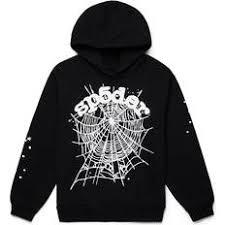
In today’s digital landscape, fashion is no longer just about designing and selling clothes—it’s about building relationships. Modern fashion Sp5der Clothing brands are shifting their focus from one-time buyers to long-term supporters, and social platforms have become the most powerful tools for achieving this goal. By creating engaging, interactive, and community-driven experiences, brands are turning followers into loyal advocates.
This article explores the meaning, origins, relevance, and growing search interest behind how fashion brands use social platforms to build loyal communities.
The Meaning of Community in Fashion
A loyal community in fashion goes beyond customers who simply purchase products. It includes people who:
-
Identify with the brand’s values
-
Engage regularly with its content
-
Share their experiences with others
-
Feel emotionally connected to the brand
Social platforms make it easier than ever to create this kind of connection. Instead of relying on traditional advertising, brands now communicate directly with their audiences through posts, comments, messages, and live interactions.
In this environment, community becomes a key driver of brand success.
Origins: From Traditional Marketing to Social Engagement
Before social media, fashion brands relied heavily on magazines, runway shows, and retail stores to reach their audiences. Communication was mostly one-way—brands spoke, and consumers listened.
The rise of platforms like Instagram, Facebook, and TikTok changed everything.
These platforms introduced:
-
Two-way communication
-
Real-time interaction
-
Content sharing across global audiences
As a result, fashion brands began to shift from traditional marketing to community-focused strategies. Instead of just promoting products, they started telling stories, engaging with followers, and building relationships.
This shift marked the beginning of community-driven fashion marketing.
Why Social Platforms Are Essential for Building Loyalty
Social platforms offer unique advantages that make them ideal for creating loyal communities.
1. Direct Communication
Brands can interact with their audience instantly. Replying to comments, answering questions, and acknowledging feedback helps build trust and authenticity.
2. Personal Connection
Social media allows brands to show their human side. Behind-the-scenes content, founder stories, and real-life experiences make brands more relatable.
3. Continuous Engagement
Unlike traditional marketing campaigns, social platforms provide ongoing engagement. Brands can stay connected with their audience every day.
These factors combine to create stronger emotional bonds between brands and their followers.
The Role of Content in Community Building
Content is the foundation of any successful social strategy. Fashion brands use different types of content to engage their audiences:
-
Outfit inspiration and styling tips
-
Product launches and announcements
-
Behind-the-scenes videos
-
User-generated content
-
Interactive posts like polls and Q&A sessions
The key is to create content that encourages participation, not just passive viewing.
When people engage with content, they feel more connected to the brand.
User-Generated Content: Turning Customers into Advocates
One of the most powerful ways to build a loyal community is through user-generated content (UGC).
UGC includes photos, videos, and reviews shared by customers. When brands repost or highlight this content, they:
-
Show appreciation
-
Build trust
-
Encourage more participation
This creates a cycle where customers become part of the brand’s story.
In the fashion industry, seeing real people wear and style products makes the brand feel more authentic and accessible.
Influencers and Community Growth
Influencers play a major role in building fashion communities. Unlike traditional celebrities, influencers often have closer relationships with their followers.
When influencers collaborate with brands, they:
-
Introduce the brand to new audiences
-
Add credibility
-
Encourage engagement
However, authenticity is key. Audiences can easily recognize forced or overly promotional partnerships. Successful brands choose influencers who align with their values and style.
The Power of Social Interaction
Community building is not just about posting content—it’s about interaction.
Brands that actively engage with their audience by:
-
Responding to comments
-
Hosting live sessions
-
Asking for feedback
-
Encouraging discussions
are more likely to build loyal communities.
These interactions make followers feel heard and valued, which strengthens their connection to the brand.
Growing Search Interest in Community-Driven Fashion
Search trends show increasing interest in topics like:
-
“fashion community marketing”
-
“social media branding for fashion”
-
“how to build brand loyalty online”
This reflects a broader shift in consumer behavior. People are no longer just looking for products—they are looking for experiences and connections.
Fashion brands that focus on community building are better positioned to meet these expectations.
Benefits of Building a Loyal Community
Creating a loyal community offers several long-term benefits:
Higher Customer Retention
Loyal customers are more likely to make repeat purchases.
Organic Promotion
Community members often share content, recommend the brand, and bring in new customers.
Stronger Brand Identity
A clear and engaged community helps define what the brand stands for.
Increased Trust
People trust recommendations from real users more than traditional advertising.
Challenges in Building Online Communities
While social platforms offer many opportunities, they also come with challenges:
-
Maintaining consistent engagement
-
Standing out in a crowded market
-
Adapting to changing algorithms
-
Balancing promotion with authenticity
Brands must stay creative and genuine to overcome these challenges.
The Future of Fashion Communities
As social platforms continue to evolve, community building will become even more important.
Future trends may include:
-
More personalized content experiences
-
Stronger integration of shopping and social interaction
-
Greater emphasis on authenticity and transparency
Fashion brands that prioritize community over short-term sales will have a competitive advantage.
Conclusion
Fashion is no longer just about selling products—it’s about creating meaningful connections. Social platforms have transformed the way brands interact with their audiences, making it possible to build loyal communities that drive long-term success.
By focusing on engagement, authenticity, and shared experiences, fashion brands can turn followers into advocates and customers into lifelong supporters.
As search interest continues to grow and digital behavior evolves, one thing is clear:
 English
 Arabic
 French
 Spanish
 Portuguese
 Deutsch
 Turkish
 Dutch
Dutch
 Italiano
 Russian
 Romaian
 Portuguese (Brazil)
 Greek
Greek